










Admin • May 1, 2020
Entrepreneurs - If You Are Hitting Burnout During Lockdown - You Need a Break

With all the best intentions involved, the more ambitious entrepreneurs amongst us are using the lockdown period to throw themselves into work. It’s great to be productive - of course it is - but the reality is that for many, it’s doing as much harm as it is good because they’re simply not taking the time to have a break.
One of the major issues stems from the social pressure that we should all be using this period of isolation to be productive. There is a constant stream of online memes and social media posts about self-improvement and the importance of learning new skills during lockdown. It may seem good natured but what it’s doing is provoking a unique feeling of anxiety that we must accomplish something while regular working life is halted. For many, that pressure is starting to take its toll as the days of the week seem to merge into one long marathon.
The ‘burnout’ is real, and it has affected many would-be entrepreneurs and stopped them in their tracks. Don’t let it happen to you. Here’s how to avoid burnout and deal with it.
Avoiding Lockdown Burnout
Take a Break to be Lazy
– It’s a tough one, the word lazy. It has its uses but actually for the super ambitious, it’s become a pressure in itself to always feel like we are being productive. In this mindset doing nothing and taking a break is considered a negative. Remember though; we all need rest. We all need balance. During this extended period of lockdown, timetables and even the sense of what day of the week it is has been skewed. This means we’re not making time for ourselves through the fear of being lazy.
Take time to do nothing. Lay in the sun, binge watch your favourite Netflix series or simply choose a day you are not going to do anything work related. It will do you good, make being lazy a positive and structured part of your work life balance.
Be Creative
– We’re wired to be productive. For entrepreneurs this is amplified. We have a need to build and produce. So, do this instead of absorbing too much. Balance your daily tasks to include creative jobs, even if it’s artwork or producing copy for your website. Or take a break and do a paint by numbers exercise or similar. Create a sense of accomplishment through creating rather than purely by ticking off items on an endless to-do list.
Recognise the Signs
– Are you starting to feel tired, heavy, sluggish? Perhaps you’re having a hard time concentrating on a single task or your mind is constantly wandering? You need to recognise that this is a sign you getting tired. Maybe not physically as such but mentally your central nervous system is starting to feel the strain and under perform. Make sure you’re eating and drinking enough regularly throughout the day. Stay fuelled and if you feel like you need to rest, then rest. Your mind needs relaxation and enjoyment as much as your body does.
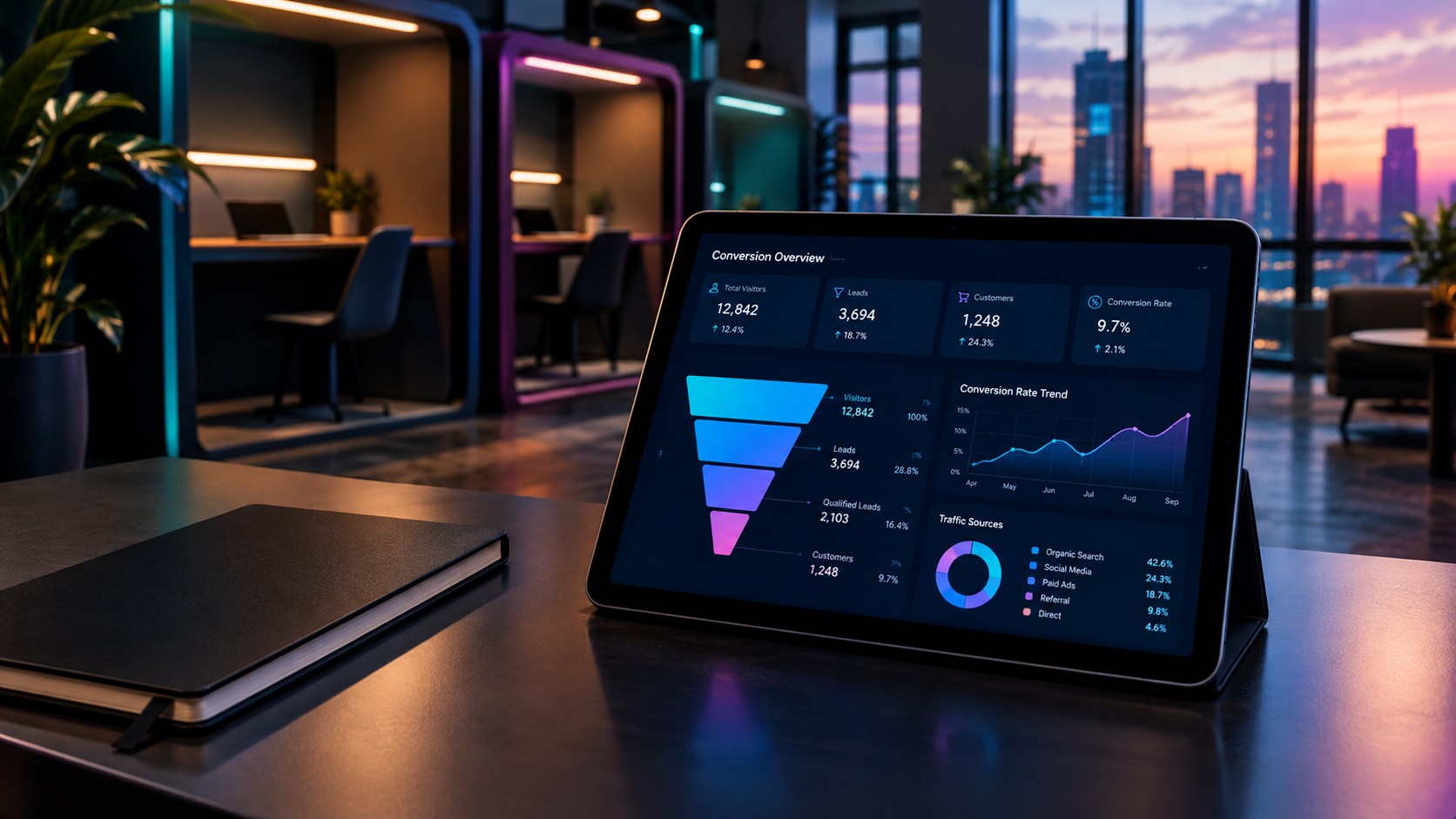
Is your website turning away potential customers instead of converting them? You're not alone. In 2025, 67% of SMEs struggle with digital products that fail to deliver real business results, despite having an online presence. For small and medium enterprises, the difference between surviving and thriving increasingly depends on the quality of your digital experience. It's no longer enough to simply exist online - your digital presence must actively work to attract customers and drive growth. At Digital Inspired, we've helped hundreds of businesses transform their digital presence into powerful growth engines. Here's our step-by-step guide to creating an SME digital experience that genuinely connects with customers and delivers measurable results. 1. Start With a Customer-First Strategy The most common mistake SMEs make is designing their digital presence around what they want to say rather than what their customers need. Begin by thoroughly understanding your customers' journey, pain points, and what they're really looking for when they interact with businesses like yours. Create detailed customer personas that capture not just demographics but also digital behaviours, preferences, and frustrations. What devices do they use? When are they most likely to search for your services? What problems are they trying to solve? This foundation ensures every design decision, content piece, and feature serves a real customer need rather than an internal preference. Your digital experience should solve problems for users, not create new ones. 2. Design an Intuitive User Journey Your website or app should guide visitors naturally toward their goals, whether that's making a purchase, booking a service, or finding information. Map out the entire user journey from first touch to conversion, identifying potential roadblocks and opportunities to delight. Key elements of an intuitive journey include: Clear, prominent calls-to-action that stand out visually Logical information architecture that mirrors how customers think Streamlined navigation with descriptive labels Simplified forms with only essential fields Visible contact information and support options Remember that confusion leads to abandonment. Every click should move users confidently toward their destination without requiring them to think about what to do next. 3. Prioritise Mobile-First Design In 2025, mobile traffic accounts for over 65% of web visits for most SMEs. Yet many businesses still design primarily for desktop, treating mobile as an afterthought. This approach severely limits your growth potential. Mobile-first design means beginning your design process with the mobile experience, then expanding to larger screens. This approach ensures your core functions work flawlessly on smaller devices, where most customers will encounter your brand. Focus on touch-friendly interfaces with appropriately sized buttons, simplified menus, and content prioritised for smaller screens. Ensure load times are lightning-fast - each second of delay on mobile increases bounce rates by 20%. The mobile apps we create follow these principles, resulting in engagement rates 3x higher than industry averages. 4. Create Content That Converts Your digital content should actively work to move customers through your sales funnel, not just fill space. Each piece of content needs a clear purpose aligned with a specific stage of the customer journey. For SME digital experiences, conversion-focused content includes: Benefit-driven headlines that speak directly to customer needs Concise, scannable text with bulleted lists and subheadings Social proof elements like testimonials, reviews, and case studies Visual content that demonstrates your product or service in action Clear next steps that guide users toward conversion Remember that your website visitors typically scan rather than read in detail. Make your key messages stand out visually and ensure they communicate value quickly. 5. Build in Personalisation Capabilities Personalisation has become essential for SME digital experience, with businesses implementing tailored content seeing conversion rates increase by up to 30%. Even with limited resources, you can incorporate simple personalisation strategies that make a significant impact. Start with these achievable personalisation tactics: Segment email communications based on previous interactions Display relevant product recommendations based on browsing history Tailor landing pages for different traffic sources Implement geolocation features to show local information Use cookies to welcome returning visitors differently As your digital maturity grows, you can implement more sophisticated personalisation through customer data platforms that create truly individualised experiences at scale. 6. Implement Analytics and Continuous Improvement A truly effective SME digital experience isn't static - it evolves based on real user data and behaviour. Implement comprehensive analytics that go beyond basic traffic metrics to understand how users actually interact with your digital products. Focus on these key performance indicators: Conversion rate by traffic source and device User flow and drop-off points in key journeys Engagement metrics (time on page, scroll depth, interactions) Form completion rates and abandonment points Return visitor rate and customer retention Use these insights to make regular, incremental improvements to your website or app. Even small optimisations can compound to create significant growth over time. 7. Connect All Digital Touchpoints Your customers don't experience your brand in silos - they move between your website, social media, email communications, and perhaps your mobile app. These touchpoints must work together to create a cohesive customer experience. Audit all your digital channels to ensure consistent messaging, visual identity, and user experience. Information captured in one channel should be accessible in others to create a seamless journey. Consider implementing these connected experience elements: Single sign-on across all digital properties Consistent product information across channels Shared customer service history between platforms Cross-platform notification systems Unified analytics to track cross-channel journeys This connected approach ensures customers receive consistent value regardless of how they choose to engage with your business. Transform Your Digital Presence for Meaningful Growth Creating an exceptional SME digital experience isn't about chasing trends or implementing flashy features. It's about thoroughly understanding your customers and building digital products that genuinely meet their needs while driving your business goals. The most successful SMEs approach digital experience as an ongoing programme of improvement rather than a one-time project. Each refinement brings you closer to a digital presence that not only attracts customers but converts and retains them. At Digital Inspired, we specialise in creating websites and mobile apps that don't just look good - they deliver measurable business results through thoughtful user journey optimisation, compelling design, and strategic functionality. Ready to transform your digital presence into a powerful growth engine? Let's talk about how we can collaborate to create digital experiences that truly represent your brand and connect with your ideal customers.