











The SME Digital Success Playbook: 7 Proven Strategies From Real-World Growth Stories

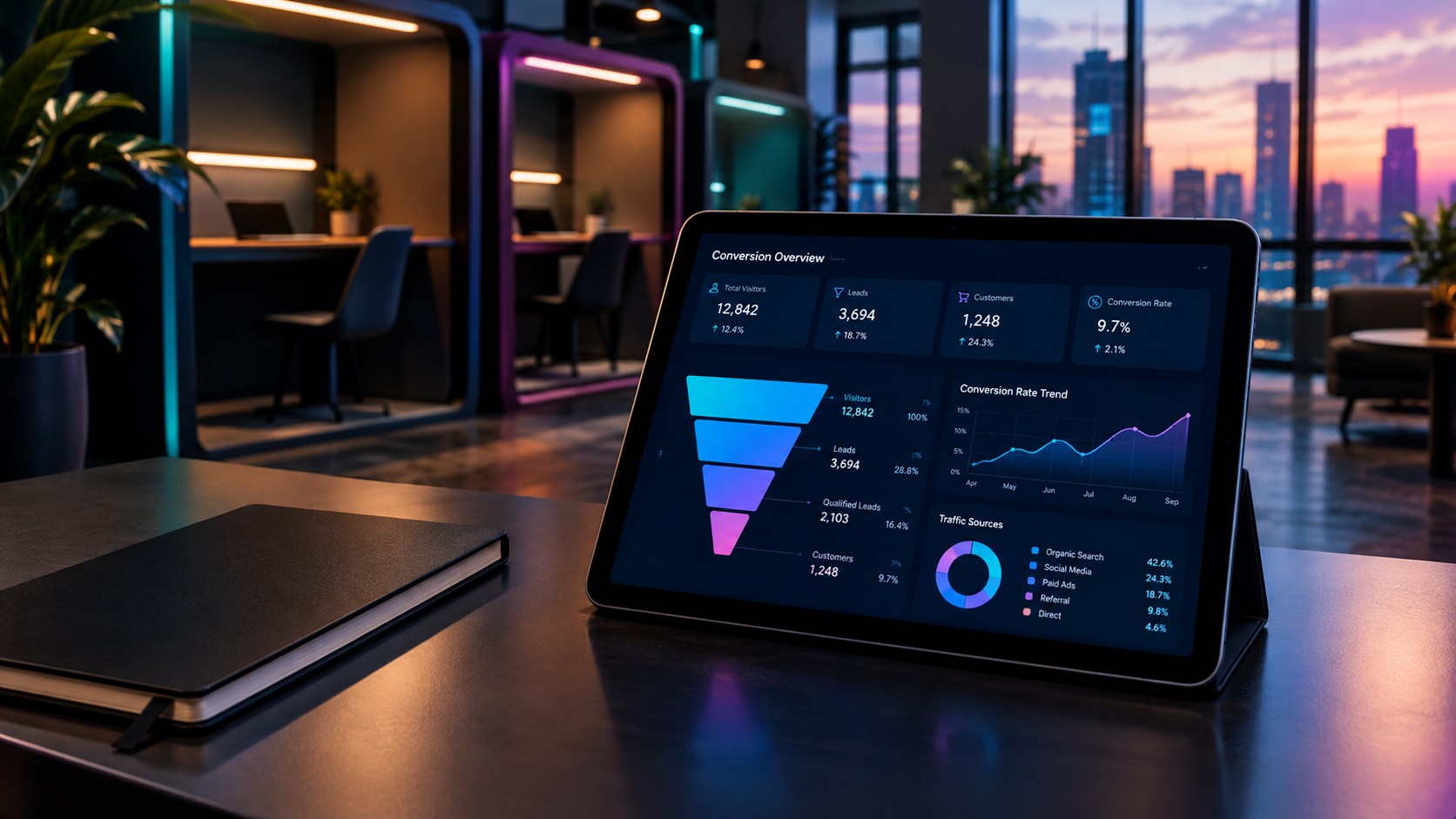
Imagine this: a property management company boosting bookings by 82% in just four months. Or an eCommerce business seeing conversion rates leap by 40% after rolling out a new digital solution. And what about a finance firm that automated client onboarding, slashing processing time by 75% while bumping customer satisfaction by 30%? These aren't made-up tales. They're real SME digital success stories, from businesses just like yours.
Let's be honest: if you're running an SME today, you've probably felt that pang of frustration. You know, with digital solutions that promise the moon but deliver... well, not much. You've likely invested precious time and resources into platforms that wowed you in the sales pitch, but then just didn't generate those tangible results for your business. The reality? This gap between digital investment and measurable growth remains one of the biggest headaches for SMEs, even as we head into 2025.
Here at Digital Inspired, we've partnered with businesses across all sorts of sectors - from hospitality to finance, eCommerce to professional services. Our mission? To build digital solutions that actually deliver genuine, quantifiable results. And based on what we've learned from these partnerships, we've put together this practical playbook. It's packed with strategies that consistently drive true SME success.
1. Begin With a Problem-Solution-Outcome Framework
The truth is, the very best digital transformations always kick off with one thing: crystal-clear problem identification. Instead of just throwing technology at a situation, smart SMEs pinpoint specific operational pain points first. Only then do we build targeted solutions. Pretty simple, right?
Take, for instance, a removals company we partnered with. They realised their quote generation process was eating up a huge chunk of time - an average of 47 minutes per customer! So, we developed a custom digital solution that automated key parts of the process. The result? We slashed that time to just 11 minutes. That's a 76% efficiency improvement, meaning they could handle more enquiries and really boost conversion rates.
Want to put this strategy to work for your business? Start by mapping out your current workflows. Pinpoint exactly where your team spends too much time on manual tasks. Then, calculate those potential time savings from automation. Multiply that by your hourly operational costs, and you've got a clear picture of your potential ROI *before* you commit to any development.
2. Prioritise Integration Over Isolation
Here's what most businesses miss: the SMEs seeing truly impressive digital growth aren't just adding new tools. They're focusing on *connected* systems, not isolated ones. Think about it: integrating your website with your CRM, linking payment processing to inventory, or connecting your booking system to customer communications. That's how you create truly multiplicative value.
We had a hospitality client who came to us with exactly this issue. Their reservation system, customer database, and marketing platform were all working in their own silos. We helped them connect everything up, and the result was a single, unified customer view. This meant automated, personalised communications based purely on booking patterns. And get this - that integration drove a massive 157% increase in repeat bookings in just six months!
To get started, map out your current digital ecosystem. Where are those gaps between your systems? Prioritise the integrations that'll wipe out manual data transfers or let you make automated decisions using information from across all your platforms.
3. Structure Digital Projects Into Rapid-Win Phases
When we look at the most impressive SME digital success stories, you know what's interesting? They rarely involve huge, "big bang" implementations. Almost never, in fact. Instead, it's all about a smart, phased approach that delivers measurable value at every single stage, slowly building towards that complete solution.
We took this exact approach for a financial services client developing a new client portal. We broke it down into three clear phases: first, document submission functionality (we got that done in just 6 weeks!). Next, application tracking features were added by week 12. Finally, we integrated regulatory compliance automation, delivered by month 5. This phased strategy meant they saw real efficiency improvements - 32% after just that first phase - which kept momentum high and stakeholders happy throughout the entire project.
So, when you're planning your own digital projects, here's the trick: identify the smallest part that can deliver measurable business value. Implement that *first*. Then, build out more functionality iteratively, always based on user feedback and real-world performance data.
4. Implement Client-Facing and Operational Metrics Simultaneously
Want to unlock the *real* value in your digital investments? The smartest SME digital success stories track two things simultaneously: external client experience metrics *and* internal operational improvements. This dual focus is key. It means your investment drives both incredible customer satisfaction and excellent business efficiency. Win-win, right?
We had a property sector client who understood this perfectly. We helped them develop a solution that tracked both how customers engaged (think time spent on listings, enquiry completion rates) *and* their internal workflow metrics (like listing upload time, or how quickly they responded to enquiries). This all-encompassing approach let them discover something amazing: by reducing their internal image processing time by 62%, they could actually boost property listing views by 44%! That's a connection they would've totally missed if they hadn't measured both sides.
Before you roll out any new digital solution, here's what to do: establish your baseline metrics for *both* customer experience and operational efficiency. Set clear, specific improvement targets for each. And make absolutely sure your solution comes with built-in analytics so you can easily track progress.
5. Design for User Adoption From Day One
Here's the thing: lots of really promising digital initiatives don't fail because the tech is bad. Nope. They fail because users - staff *or* customers - simply don't embrace them. What's interesting is that the most successful SME digital transformations actually prioritise adoption strategy right alongside technical development. Makes sense, doesn't it?
For a legal services firm, we created an intuitive client onboarding platform. It was a game-changer - reducing form abandonment rates by a huge 67% compared to their old system! The secret wasn't *just* the technical functionality, though. We invested significant time in user experience testing with actual clients before launch. We built in contextual help features. And we designed an implementation process that included custom staff training videos for different user roles. It's all about making it easy.
So, involve user representatives from the very start - right from the planning stage. Conduct usability testing with *real* users before you launch. And crucially, create role-specific training resources that focus on the benefits for them, not just a list of features.
6. Build Mobile-First, Even for B2B Solutions
Here's another pattern we've consistently seen in our most successful SME digital projects: mobile-optimised experiences are absolutely crucial. And yes, that's true even for business services that usually seem pretty desktop-focused. The truth is, the most impressive client success stories come from businesses that spotted this shift early on.
We partnered with an accounting services provider to build a mobile-first client dashboard. This meant business owners could easily review financial performance, approve transactions, and chat with their accountant, all from their smartphone. The outcome? A staggering 230% increase in client engagement with financial data, and a really significant boost in client retention rates. Pretty powerful stuff.
So, when you're planning your next digital solution, please do some user research. Understand how your customers and staff *actually* work in the real world. Design for mobile's constraints first, then enhance for bigger screens. Don't ever treat mobile as just an afterthought.
7. Create Feedback Loops for Continuous Improvement
Here's another crucial point: the most impressive SME digital success stories don't just *end* at launch. Not at all. They embed smart mechanisms for gathering user insights and then continuously improve the solution, based on real-world usage data. It's a never-ending journey of optimisation.
We saw this firsthand with a client in the beauty industry. We built them a booking platform that had embedded feedback collection right at key moments in the customer journey. What happened? This approach allowed them to implement a whopping 27 significant usability improvements over 18 months! Their booking completion rates soared from 64% at launch to an incredible 89% today. That kind of performance gain? It would've been totally impossible without that systematic feedback loop.
So, build simple feedback mechanisms directly into your digital solution. Establish a regular schedule for reviewing user data and comments. And, crucially, allocate resources for continuous improvement. Because your digital project is *never* truly "finished" at launch. It's an ongoing journey.
From Strategy to Measurable Business Growth
These seven strategies aren't just theoretical concepts, trust us. They're practical, proven approaches, all drawn from genuine SME digital success stories right across diverse sectors. When you implement them thoughtfully, they consistently deliver measurable business growth, seriously enhanced customer engagement, and significant operational improvements. That's the power.
And here's what's even better: the businesses getting the most impressive results aren't always the ones with the biggest budgets. Nope. It's those who approach digital transformation strategically - really honing in on specific business problems, designing for user adoption, and always improving based on real-world feedback.
At Digital Inspired, we're incredibly proud to have helped businesses right across various sectors put these exact strategies into action and achieve truly remarkable outcomes. We're talking about eCommerce brands hitting 40% conversion rate improvements, and professional service firms slashing operational costs by 75%! The potential for transformation, when you approach digital solutions with this kind of strategic clarity, is absolutely substantial.
So, are you ready to transform your SME's digital capabilities into real, measurable business growth? Our team specialises in collaborating with ambitious SMEs - businesses like yours - to develop digital solutions that truly drive genuine results. Why not book a free consultation with us? We'd love to chat about how these strategies could make a real difference to your specific business challenges.